Tensor Fascia Lab

Applied Structural Thinking for the Human Body

Structural Bodywork and ScarWork help the body organise tension, move with more ease, and recover from stress, injury, and scarring.

Structural Bodywork
STRUCTURAL BODYWORK

Offered through Anatomy Trains Structural Integration, either as a 12-Session Structural Integration Series or a 3-Session Introductory Series.

Structural bodywork may be helpful for:

  • Chronic tension
  • Postural strain
  • Recurring training injuries
  • Movement restriction
  • Performance and longevity
Posture Movement Load Distribution Integration
ScarWork Therapy
SCAR THERAPY

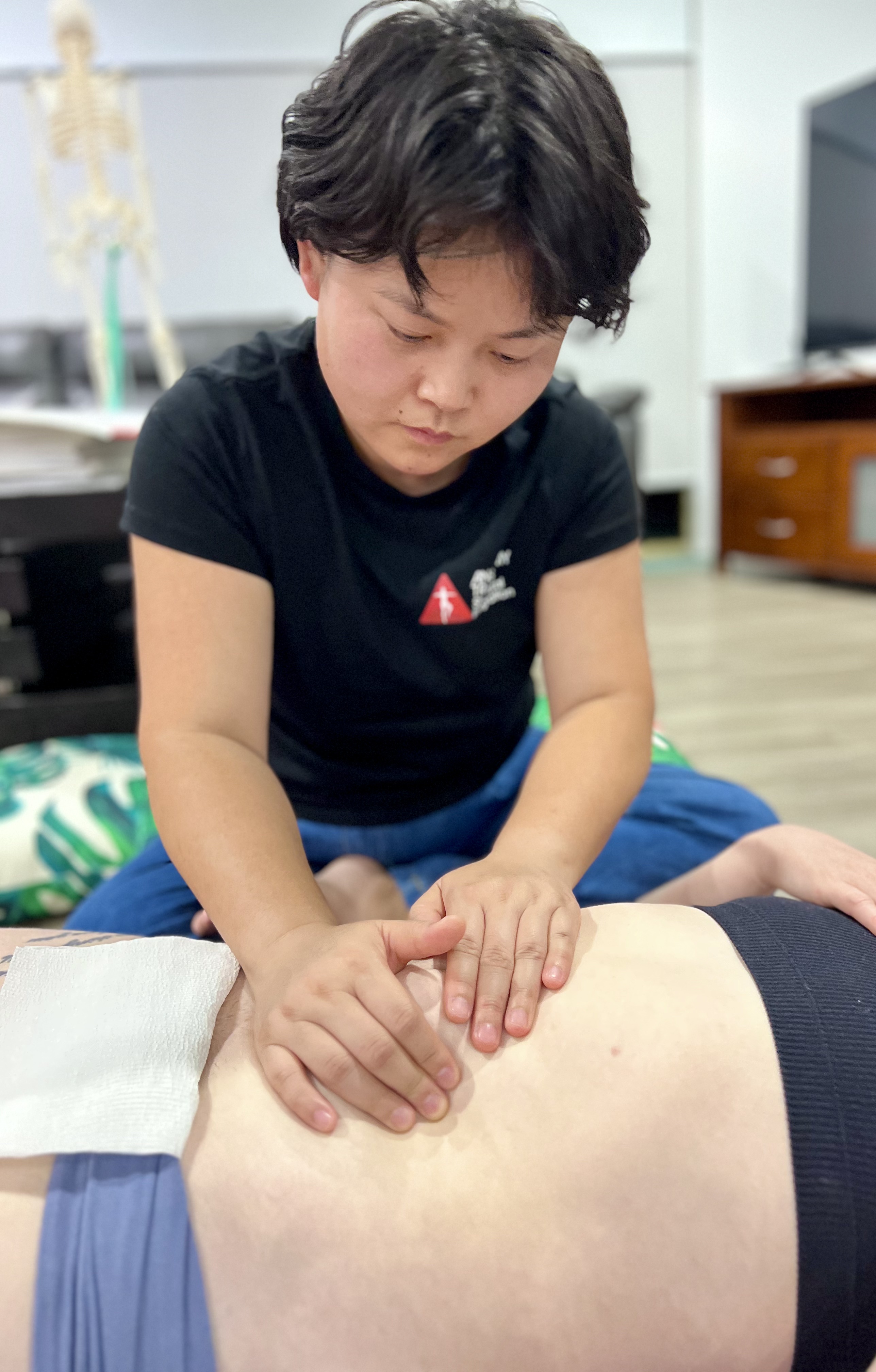
ScarWork is a gentle hands-on method developed by Sharon Wheeler, designed to work with scar tissue and support its integration with the surrounding fascial network.

ScarWork may be helpful for:

  • C-section – postpartum surgical scars
  • Cosmetic surgery
  • Keyhole procedures
  • Orthopaedic surgery
  • Injury or burns
C-section Cosmetic Surgical Scar Trauma

Start Here

Not sure which service is right for you? Start with your main concern, history, and goals.

Structural Bodywork

A good fit if your main focus is posture, recurring tension, movement quality, structural support, or how your body manages load as a whole.

ScarWork

A good fit if you have a fully healed scar from surgery, injury, burns, or medical treatment, and want to improve comfort, mobility, or tissue integration.

Not Sure Yet

Reach out with a short summary of your current issue, any scar or injury history, and what you want help with. I can guide you toward the most appropriate starting point.

Anatomy Trains Structural Integration

Anatomy Trains Structural Integration (ATSI) is a systematic whole-body process developed by Tom Myers that works with the body’s fascial network to improve structural organisation, movement efficiency, and overall balance.

Full Series · Recommended

12-Session Structural Integration Series

The 12-session series is a systematic whole-body process based on Anatomy Trains Structural Integration. Rather than working on isolated symptoms, each session builds on the last to help reorganise how tension, support, and movement are distributed throughout the body.

The series is often approached in three broad phases:

  • Sessions 1–4: Superficial layers – working with the outer body and the more visible patterns of tension and shape, including the front, back, sides, and spiral relationships involved in movement.
  • Sessions 5–8: Deep core – working more deeply with the body’s inner support system, including the feet, legs, pelvis, breath, spine, neck, and head.
  • Sessions 9–12: Integration – bringing the superficial and deep layers together so the body can organise itself with more balance, adaptability, and ease.

While each session has a specific structural theme, the overall goal is not just to create change in one area, but to support better coordination and integration across the whole body.

Good Starting Point

3-Session Introductory Series

The 3-session series is a shorter introduction to Structural Bodywork and offers a way to experience the work without committing to the full series. Each session focuses on key areas of the body that influence posture, breathing, and overall movement.

  • Session 1 – working with the feet, legs, and pelvis to support balance and connection with the ground
  • Session 2 – working with the ribcage and breath to support easier breathing and upper body mobility
  • Session 3 – working with the spine and neck to bring the body together with more overall integration

For individuals seeking deeper structural change, the full 12-session Structural Integration series offers a more comprehensive and systematic process.

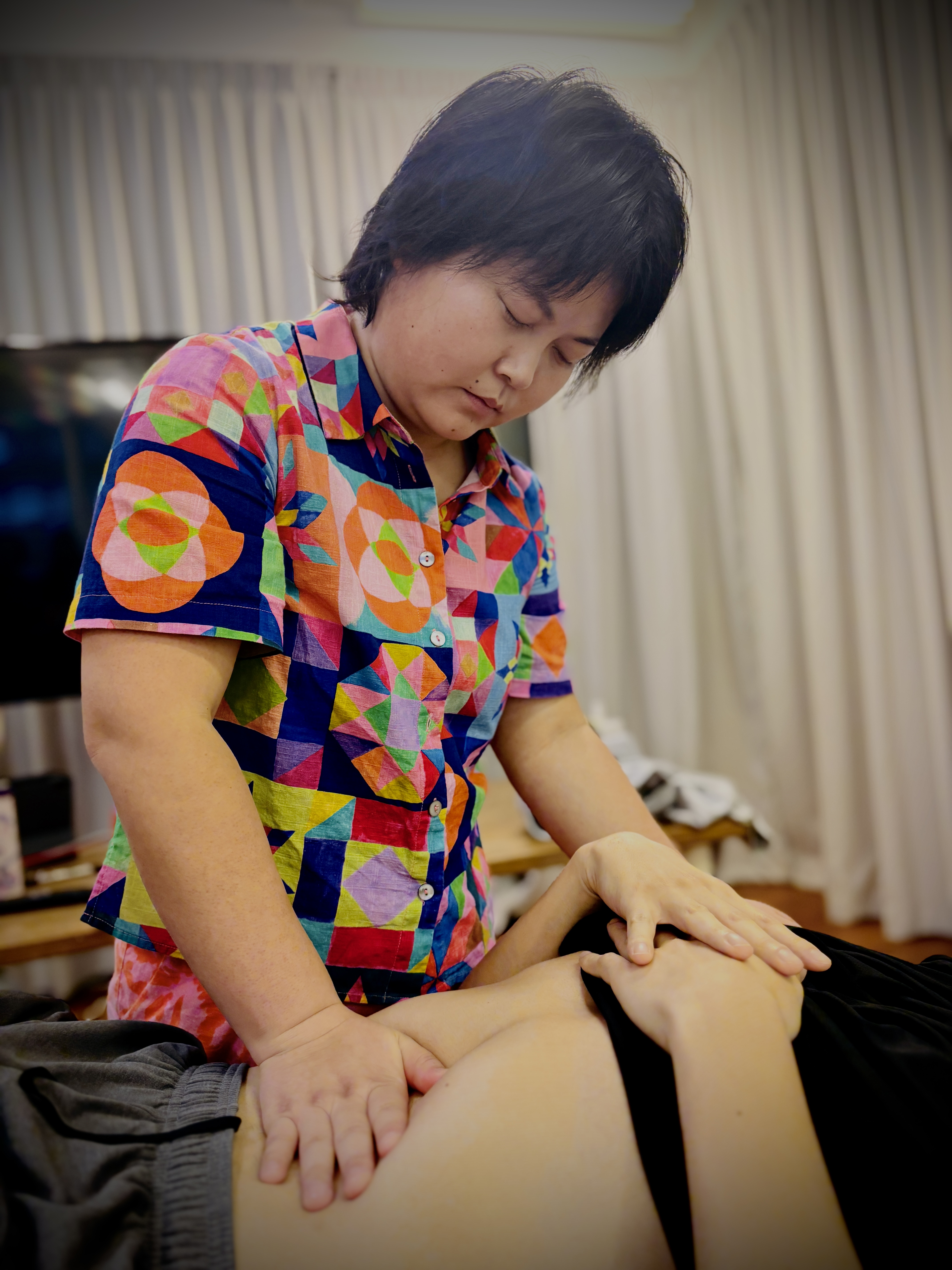
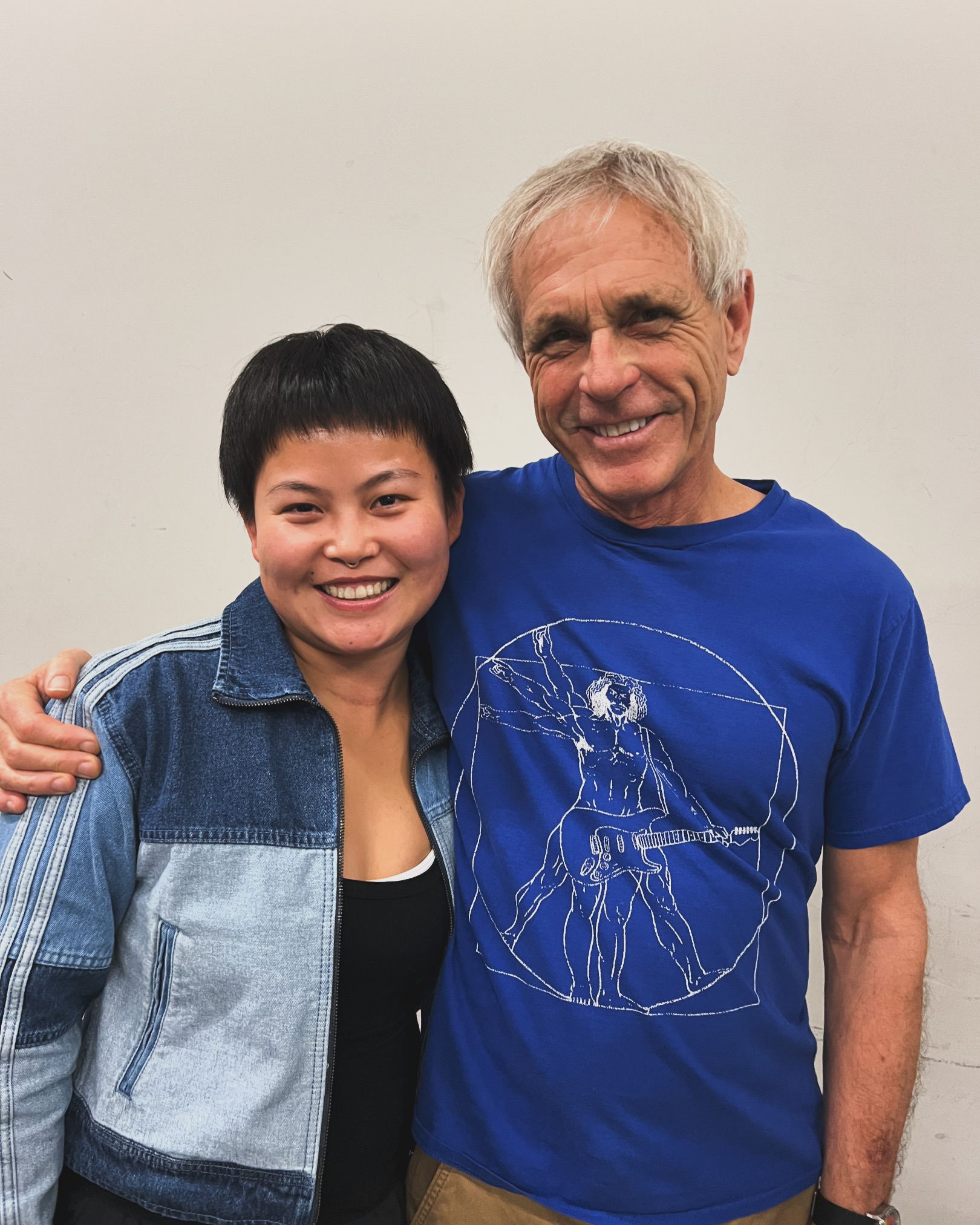
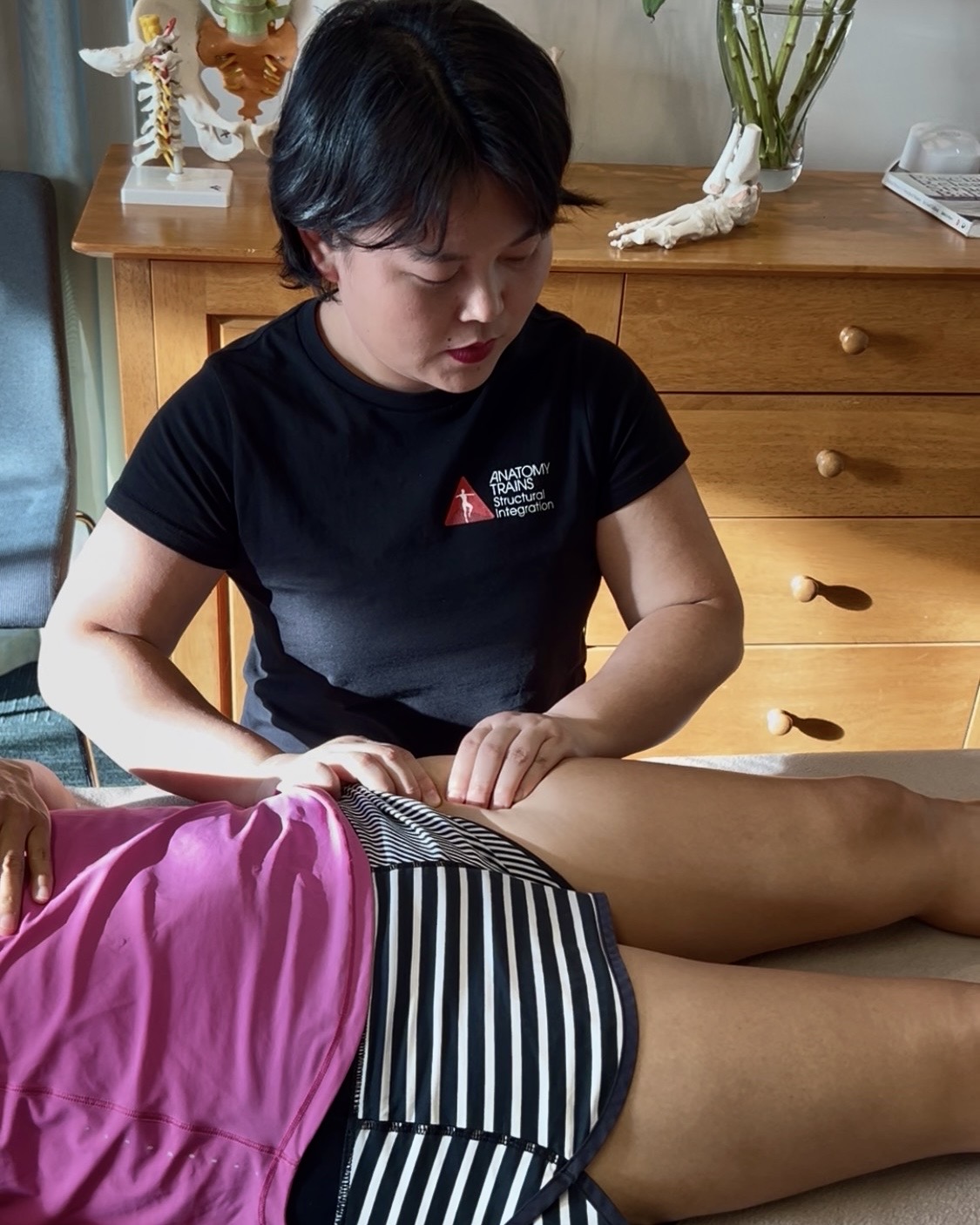
Portrait of Kiki Ruan Kiki Ruan with Tom Myers, founder of Anatomy Trains Kiki Ruan performing structural bodywork on a client's hip Kiki Ruan performing ScarWork therapy

About Kiki Ruan

Kiki Ruan is an Anatomy Trains Structural Integration (ATSI) practitioner and ScarWork therapist.

Approach

Her work approaches the body as a system — where tension, load, and restriction are distributed, not isolated. Rather than focusing on a single point of discomfort, she works with how patterns develop across the body over time.

Focus

She focuses on how the body adapts under stress, and how these adaptations can lead to recurring discomfort or movement limitations. What presents as pain or restriction is often linked to broader structural patterns.

Sessions

Her sessions are structured to work with these patterns, with the aim of improving how the body moves, supports itself, and adapts to load.

ScarWork

Where relevant, she incorporates ScarWork, particularly when scar tissue continues to influence movement or contribute to restriction beyond its immediate location.

Who She Works With

She works with individuals experiencing recurring discomfort, movement limitations, or unresolved issues following injury or surgery.

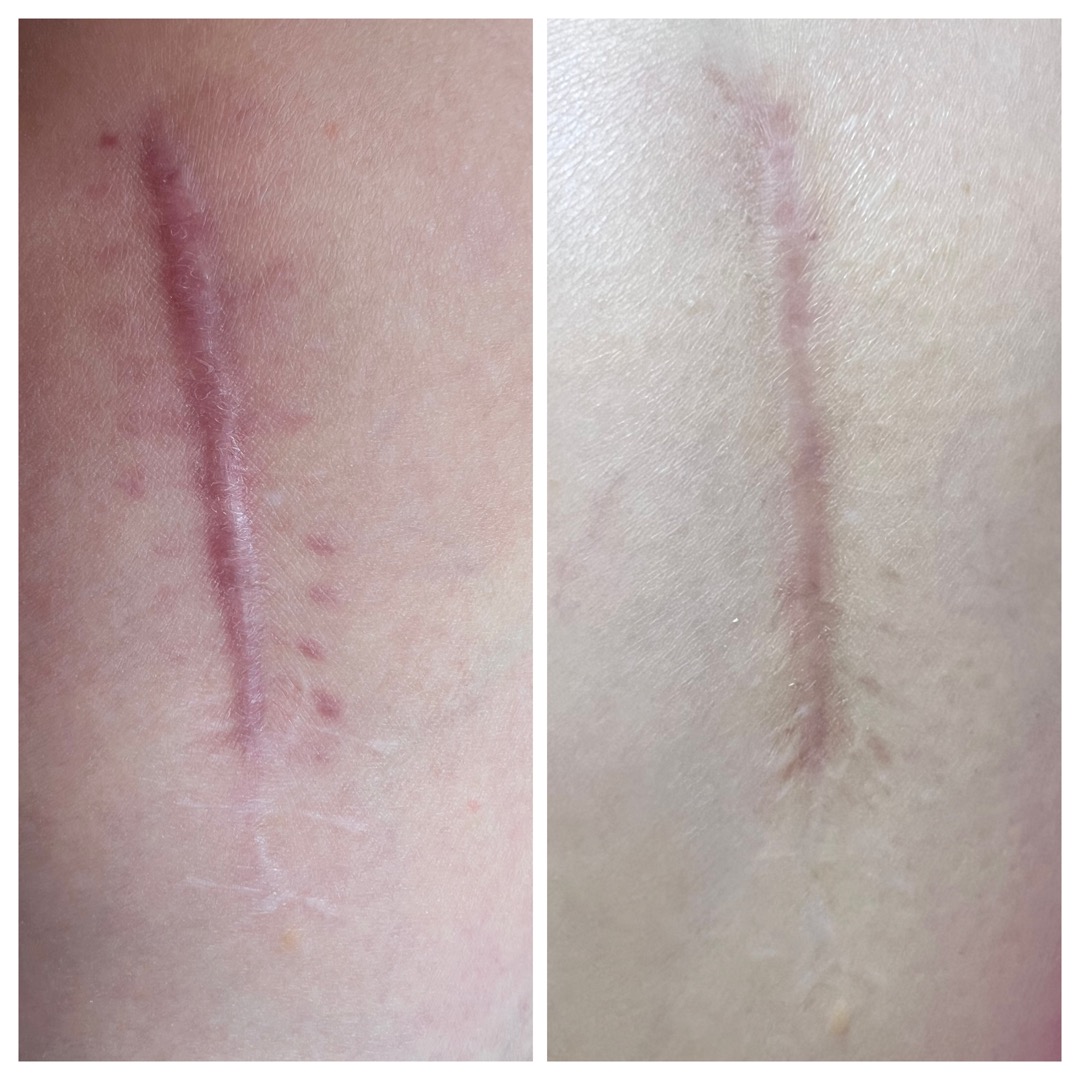
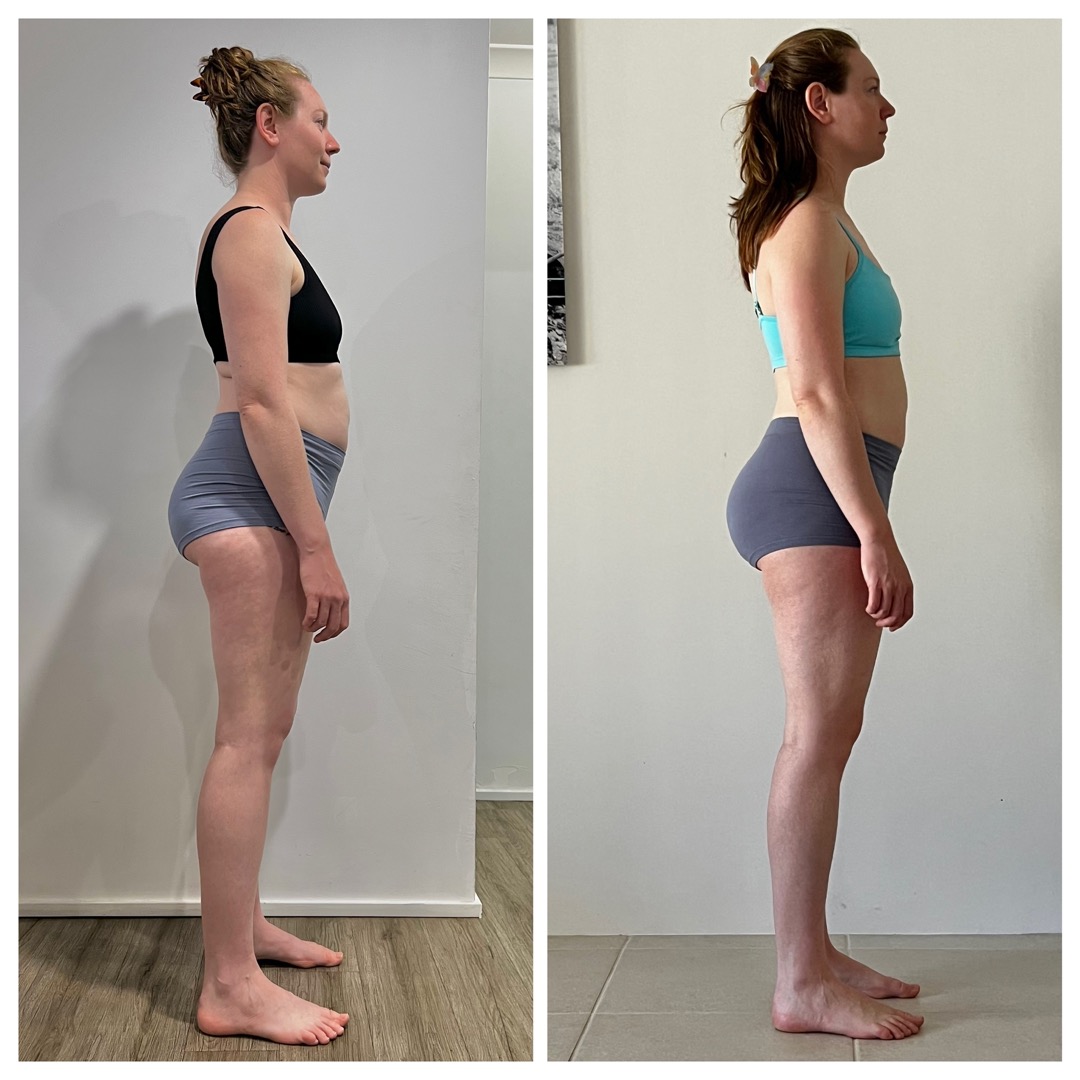
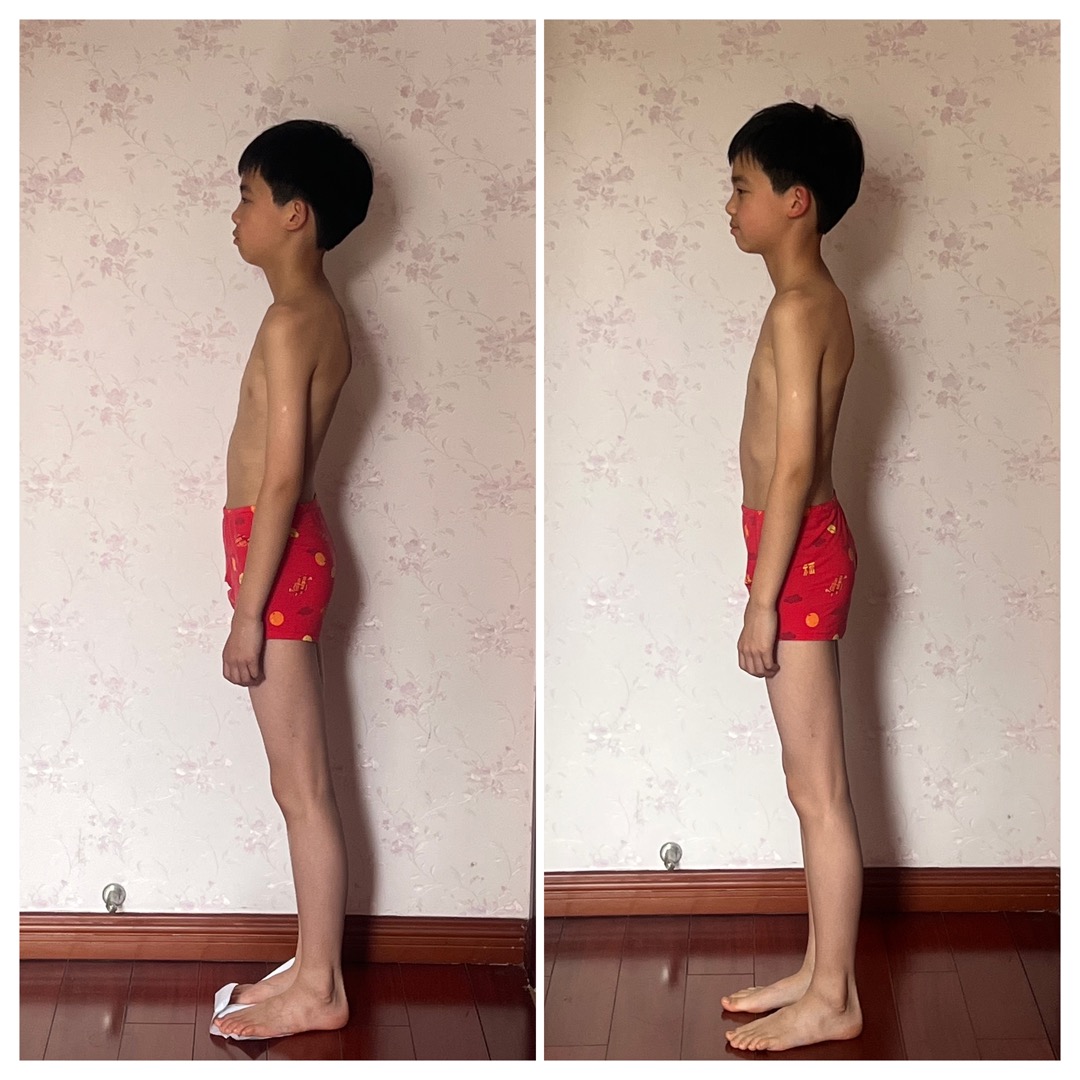
Case Studies

Structural changes documented across a course of treatment.

”Before ScarWork + 12 Series SI sessions combined

FAQ

ScarWork – Frequently Asked Questions

Why might a scar benefit from treatment even if it looks healed?

Scar tissue forms as part of the body’s natural healing process after surgery, injury, or trauma. Even when a scar appears fully healed on the surface, the tissue beneath can remain restricted or less mobile than the surrounding tissues.

These restrictions may influence how nearby tissues move and how tension travels through the body. In some cases this can contribute to discomfort, altered movement patterns, or a feeling of tightness around the scar.

ScarWork is a gentle hands-on approach that works with the quality and mobility of the scar tissue, helping the area integrate more comfortably with the surrounding tissues.

What kinds of scars can ScarWork help with?

ScarWork may be applied to a wide range of scars once the tissue has fully healed. This includes scars from surgery, injuries, burns, and other forms of trauma.

Common examples include caesarean section scars, surgical scars, arthroscopic procedure scars, and scars from accidents or burns. Each scar is assessed individually to determine whether the approach is appropriate.

When can ScarWork begin after surgery or injury?

ScarWork can usually begin once the scar has fully closed and the tissue has completed the initial stages of healing. The scar should not be open, inflamed, or showing signs of infection.

In some situations, particularly after major surgery or medical treatment, obtaining clearance from your healthcare provider may be recommended before beginning treatment.

For individuals with a history of cancer or radiation-related scarring, consulting your physician or oncology team before receiving ScarWork is advisable.

Are there situations where ScarWork may not be appropriate?

ScarWork should not be performed on scars that are still healing, inflamed, infected, or not yet fully closed. In some situations, medical clearance may be recommended before treatment begins.

If you are uncertain whether ScarWork is appropriate for your situation, discussing your scar with a healthcare professional before booking is advisable.

Can ScarWork help with older scars or keloid scars?

Yes, ScarWork can be beneficial for scars of many ages, including those that formed months or years earlier. Even long-standing scars may continue to influence surrounding tissues and movement patterns.

Keloid scars require more careful evaluation. Because keloids involve excessive scar tissue growth, treatment suitability varies from case to case, so it is best to discuss this before booking.

What changes might I notice after ScarWork?

Many people notice changes in the texture and mobility of the scar tissue, such as a softer feel or improved movement in the surrounding area.

Some individuals also report increased comfort, reduced sensitivity, or improved ease of movement in nearby joints or tissues.

Is ScarWork treatment painful, and how many sessions are usually needed?

ScarWork is generally performed using gentle and precise techniques. Most clients experience the treatment as comfortable, although mild sensitivity may occasionally be felt when working with restricted areas.

The number of sessions varies depending on factors such as the age, size, location, and quality of the scar tissue. Some scars respond quickly, while others benefit from a more gradual process over several sessions.

Structural Bodywork – Frequently Asked Questions

What is fascia?

Fascia is a connective tissue network that surrounds and connects muscles, bones, organs, and other structures throughout the body. It plays an important role in how forces move through the body and how we maintain posture and movement.

How is Structural Bodywork different from massage?

Structural Bodywork focuses on how tension and support are organised across the entire body rather than working only on isolated areas of discomfort.

The approach looks at how different regions influence one another within the body's structural system and works with the fascial network to improve overall organisation and movement.

What can I expect during a session?

Sessions typically involve hands-on work combined with observation of posture and movement. Clients may occasionally be asked to move or change position during the session so different structural relationships can be assessed and addressed.

How often should I come, and when might I notice change?

This depends on the individual and how your body responds to each session. Some people notice changes in posture, breathing, or comfort after the first session, while for others the changes develop more gradually as the work builds over time.

When working in a series, sessions are usually spaced to allow the body time to adapt while maintaining momentum in the process.

Are sessions one-off or ongoing?

Structural Bodywork can be received in different ways depending on what you need. Some people come for a single session, others begin with the 3-session introductory series, and some choose the full 12-session Structural Integration series.

If your goal is deeper structural change, the 12-session series provides the most comprehensive process. Some clients return later for occasional support, but the intention is not to create dependency on ongoing treatment.

Contact

If you have questions about Structural Bodywork, ScarWork, or whether this work may be appropriate for you, feel free to get in touch.

Please note: ScarWork is only suitable once the scar has fully healed.